
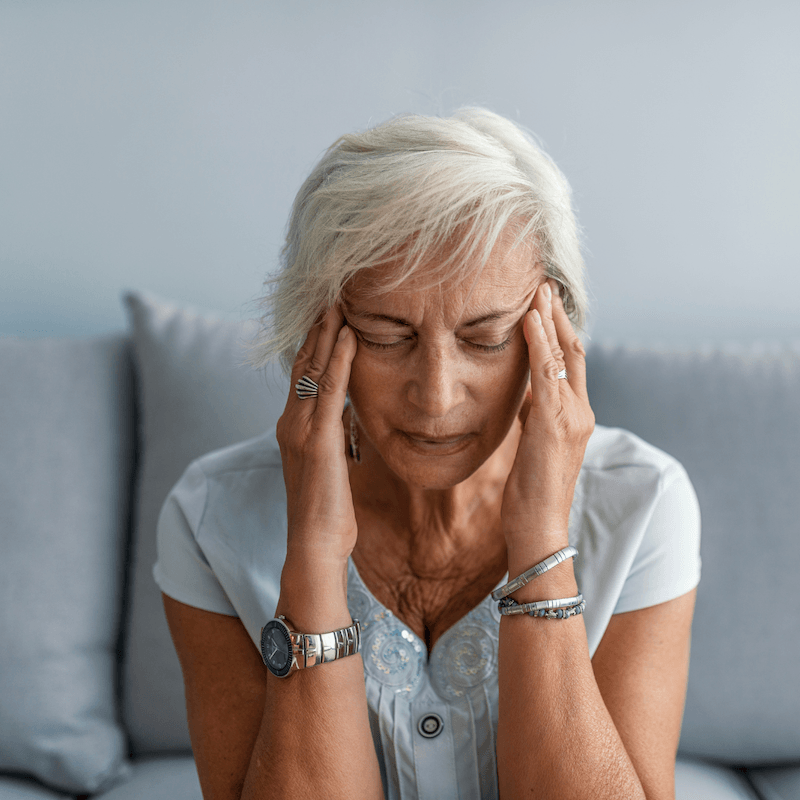
A migraine does not exclusively manifest as acute head pain; rather, a vestibular migraine predominantly impairs equilibrium, motion processing, and spatial orientation. We provide specialized assessments for recurring vertigo to determine if a vestibular migraine or a competing vestibular disorder is responsible. Establishing appropriate migraine treatment depends on recognizing presenting symptoms and communicating these patterns to your healthcare team.
Vestibular vs. Regular Migraines: What’s the Difference?
Both vestibular migraine and classic migraine belong to the same neurological spectrum, yet their hallmark symptoms manifest differently. Standard migraine attacks frequently involve moderate or severe head pain described as unilateral, pulsating, and exacerbated by standard exertion. Nausea, light sensitivity, sound sensitivity, and visual aura may accompany the pain.
Vestibular migraine characteristically triggers episodes of spinning vertigo, persistent dizziness, unsteadiness, and motion intolerance. Headache may occur, but it is not required during every vestibular episode. Manifestations may include false sensations of spatial movement, dizziness provoked by head turns, and difficulty tolerating busy visual environments.
Diagnostic criteria specify that qualifying vestibular episodes typically span between five minutes and 72 hours. Because clinical manifestations often fluctuate between episodes, linking these balance issues to a migraine etiology can be challenging.
What Disorders Cause Vestibular Migraines?
No single disorder is known to cause vestibular migraine. This balance condition appears to reflect shared neurological circuits that modulate migraine signals and vestibular equilibrium data. Individual or hereditary migraine history, paired with lifelong motion sickness, substantially elevates clinical susceptibility.
Episodes may be triggered by:
- Irregular or insufficient sleep
- Skipped meals or dehydration
- Severe emotional stress or the physical transition period immediately following chronic stress
- Menstrual cycle fluctuations or other physiological endocrine changes
- Exposure to bright lights, strobe effects, or visually intricate environments
- Extended vehicle travel, dynamic physical movement, or fast smartphone screen scrolling
- Alcohol consumption or exposure to specific dietary triggers like aged cheeses or nitrates
- Atmospheric pressure changes, weather fluctuations, or overwhelming sensory stimulation
Symptomatic Comparison Between Vestibular and Standard Migraines
Although typical migraines are known for throbbing headaches, the disease encompasses a broad constellation of symptoms beyond pain. Clinical presentations frequently feature nausea, vomiting, visual aura, physical exhaustion, mental clouding, neck pain, and sensory hypersensitivity.
Documented manifestations of vestibular migraine include:
- Illusory rotational spinning or non-spinning disequilibrium
- Postural disequilibrium, ataxia, or generalized loss of balance
- Movement-induced dizziness provoked by changing head positions
- Motion-induced nausea or severe motion sickness
- Visual motion hypersensitivity when viewing digital displays, high-density crowds, or repetitive wallpaper
- Illusory sensations of bobbing, swaying, boat-like rocking, floating, or directional pulling
- Acute sensitivity to daylight, artificial lighting, loud acoustic sounds, and complex visual environments
- Dull cranial pressure, tight band-like sensations, or pulsating migraine headache
- Temporary sensations of ear canal pressure, fullness, or high-pitched tinnitus
The clinical timeframe, duration of dizziness, and identified triggers are vital for distinguishing vestibular migraine from other vestibular etiologies. Sudden dizziness that coincides with motor weakness, limb numbness, difficulty articulating speech, double vision, syncope, or inability to stand requires immediate emergency assessment.
Overlapping Attacks: When Vestibular and Regular Migraines Coincide
Yes. True rotational vertigo and classic migraine head pain can develop within the identical clinical attack. The dizziness may begin before the head pain, develop while the headache is active, continue afterward, or appear during a separate episode. Many individuals alternate between headache-dominant and balance-dominant presentations over months or decades.
It is not necessary for a vestibular episode to involve headache pain to be directly tied to migraine disease. Maintaining a dedicated symptom journal helps track chronological correlations that are easily overlooked during clinical consultations. Record the timing and duration of dizziness, headache features, sensory sensitivity, menstrual cycle, sleep, meals, possible triggers, medications, and response to treatment. This diagnostic data empowers your specialist to perform a much more targeted and precise clinical evaluation.
How Physicians Evaluate and Confirm Vestibular Migraine
There is no solitary laboratory blood test, radiographic imaging study, or vestibular exam that definitively diagnoses vestibular migraine. Clinical identification relies first on a thorough review of episode characteristics and a personal history of migraine with or without aura. Current criteria generally include at least five moderate or severe vestibular episodes lasting five minutes to 72 hours, with migraine features during at least half of them.
We execute an exhaustive diagnostic series involving neurological testing, videonystagmography, direct ear examination, hearing testing, and balance assessments. Depending on the symptoms, testing may include an audiogram, positional testing, vestibular studies, or imaging. These tests help identify or rule out conditions that can cause similar dizziness. This clinical diagnosis is finalized only when your symptom history matches validated criteria and no other vestibular disorder better accounts for the findings.
Evidence-Based Treatments for Vestibular Migraine
Care plans are individualized to match your specific attack frequency, symptom severity, comorbid headaches, general medical background, and medication tolerances. Clinical success typically relies on combining consistent daily prophylactic measures with an emergency protocol for managing acute vestibular episodes.
Our clinical team formulates a personalized care program that can include:
- Maintaining consistent circadian sleep patterns, disciplined meal times, adequate hydration, and regular exercise
- Identification and reduction of consistent personal triggers
- Stress-management or behavioral strategies
- Medication for nausea or other acute symptoms
- Measured, temporary use of vestibular suppressant pharmaceuticals during severe vertigo crises
- Daily preventive medications such as beta-blockers, calcium channel blockers, topiramate, specific antidepressants, or novel migraine drugs
- Prescribed vestibular rehabilitation protocols to alleviate ongoing unsteadiness and motion-induced dizziness
Over-reliance on vestibular suppressants is discouraged because frequent administration causes sedation and impedes central neurological adaptation. All prescription decisions must be established alongside our clinical team rather than borrowed from someone else’s treatment protocol. Improvement may require gradual dose adjustments and tracking symptoms over time.
Book Your Vestibular Migraine Consultation
If recurring dizzy spells, motion sensitivity, or balance deficits disrupt your daily comfort, contact our practice to schedule a comprehensive evaluation. Your consultation can include a review of migraine history, health conditions, and treatment goals, with a focused examination and appropriate testing to help distinguish vestibular migraine from BPPV, Ménière’s disease, and other causes of dizziness. Call or message our office today to schedule your comprehensive vestibular migraine consultation.